Building Casual Games: How Simple Yet Engaging Mechanics Create Lasting Fun
The Allure of Casual Games
Casual games have taken the gaming world by storm, inviting players from all walks of life to dive into fun, accessible gaming experiences. But what makes them so captivating? In this section, we explore the core appeal of casual games, and how their engaging mechanics create an unforgettable experience.
Understanding Casual Games
Many people wonder, "What exactly are casual games?" Well, they're games designed for easy pick-up-and-play mechanics. No steep learning curves here! We’re talking about games that make you feel at home, whether you’re on a quick commute or winding down at the end of a busy day.
Building Casual Games: The Creative Process

So how do developers create these delightful experiences? Let’s break down the process of building casual games, highlighting essential steps and strategies.
- Concept Development: Brainstorming unique and engaging ideas that can appeal to a wide audience.
- Prototype Creation: Developing a simple version of the game to test mechanics.
- User Testing: Getting feedback from players to refine the experience.
Focusing on Gameplay Mechanics
The heart of any game lies in its mechanics. For casual games, simplicity is key. You want players to understand the game quickly and feel satisfied—even if they only have a few minutes to spare. Essential mechanics often observed in the realm of casual games include:
| Mechanic Type | Example Games | Player Engagement |
|---|---|---|
| Point and Click | Candy Crush, Angry Birds | Easy to learn, hard to master! |
| Time Management | Diner Dash, FarmVille | Pacing keeps players on their toes! |
| Match-Three | Bejeweled, Homescapes | Strategically satisfying! |
The Emotional Connection in Gameplay
What keeps us coming back for more? Emotional connections with the games we love. When players experience a sense of achievement, nostalgia, or even competition, they become invested. This brings us to creating **lasting fun**.
Enhancing User Experience through Engaging Graphics
Visuals matter! Engaging graphics and delightful animations increase playability. When players can connect with charming characters or beautiful environments, they're more likely to draw them back into the game world. Look at games like Clash of Clans—their art style is inviting and makes you want to build your empire!
The Role of Social Interaction
Hence, this leads us to one important component in many casual games: social interaction. Whether through competing against friends or teaming up in co-op modes, players enjoy connecting with others.
Community Engagement

Including features like friend leaderboards or in-game gifting creates community ties. What’s more fun than competing with your friends? But how does this tie back to casual gaming? Here’s the lowdown:
- Social Media Integration: Sharing achievements or game progress on platforms like Facebook.
- Invitations: Encouraging friends to join in on the fun enhances user interaction.
- Collaborative Challenges: Teaming up for special goals makes gameplay more dynamic.
Identifying Target Audiences
Knowing your audience is critical in game development! Casual games tend to attract a variety of players; thus, defining and understanding who your players are helps tailor experiences that resonate.
Demographics Matter
Consider factors such as age, gaming habits, and preferences. Are they more inclined to play on mobile devices, or do they prefer classic PC games? Here are some key demographic points:
- Casual gamers often value convenience and accessibility.
- They enjoy games that can be played in short sessions.
- Players may favor games that offer social sharing features.
Balancing Challenge and Accessibility
The tug-of-war between challenge and accessibility is both an art and a science. You want to offer satisfying challenges, yet keep the game easy to learn. Developers become magicians, crafting levels that scale in difficulty while still maintaining player retention.
Scaling Difficulty with Player Progression

Implementing a gentle learning curve is vital. Here’s a simple formula many developers swear by:
- Start with easy levels to hook players.
- Introduce new mechanics gradually.
- Increase challenge based on player progress and performance.
Case Studies: Popular Casual Games
Let's examine some existing examples of popular casual games and their mechanics. By analyzing successful games, budding developers can gather insights and inspiration.
Candy Crush Saga

This match-three game has players addicted because of its endless levels and crisp graphics. It’s easy, but with a sprinkle of strategy to keep players coming back. Here’s what makes it shine:
- Simple point-and-click mechanics.
- Regular updates with new levels.
- Engaging community features.
Clash of Clans
A strategy game where players build bases and attack others, Clash of Clans capitalizes on community and social play. It excels in:
- Strategic depth with base planning.
- Clan systems for collaboration.
- Regular events and updates keep the game fresh.
Potential Challenges in Building Casual Games
As in any creative endeavor, challenges arise when crafting casual games, from competition to budget constraints. Surmounting these pitfalls often defines a successful developer.
Common Pitfalls
- Overcomplicating mechanics that confuse players.
- Neglecting player feedback.
- Failing to maintain a balance between fun and monetization.
Conclusion
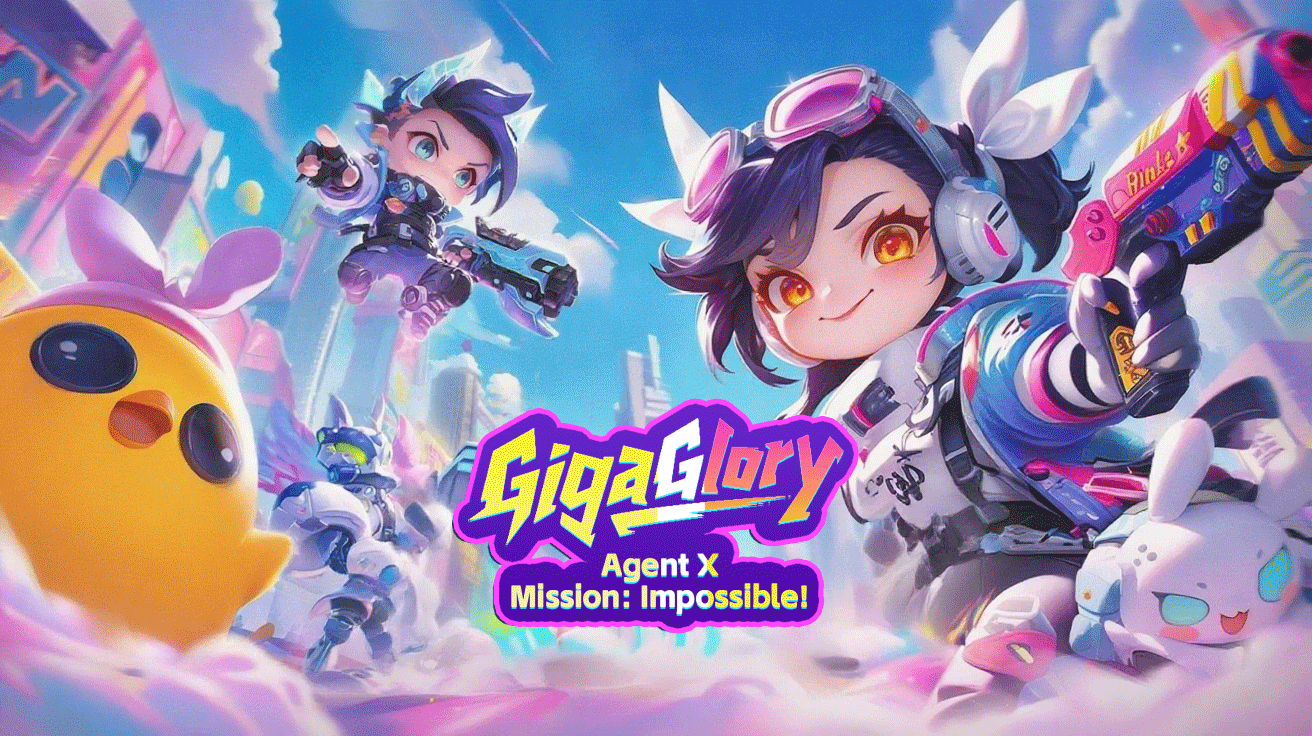
Building casual games is an evolving art form, expertly blending simplicity with engaging mechanics. By focusing on accessibility, emotional connections, and community interaction, developers can create experiences that resonate with players around the globe. With stars like RPG games like Final Fantasy pushing boundaries, casual games remain an exciting space in the gaming industry. They’re not just games; they’re gateways to fun, connection, and adventure.
Frequently Asked Questions
What are casual games?

Casual games are designed for easy engagement, typically with simple mechanics that allow quick pick-up-and-play experiences.
How can I create a successful casual game?
Focus on intuitive mechanics, engaging graphics, community aspects, and scalable difficulty to keep players invested.
Are casual games just for kids?

No! Casual games appeal to a broad audience, including adults looking for enjoyable, low-stress gaming experiences.
What are some popular examples of casual games?
Candy Crush Saga and Clash of Clans are prime examples, excelling in engaging gameplay and community integration.