
Why Multiplayer Building Games Are Revolutionizing Collaborative Play in the Gaming Industry
When we talk about the gaming world, its evolution never ceases to amaze. From single-player journeys to complex multiplayer systems, it’s clear that multiplayer games have established themselves as a foundational pillar in today’s gaming ecosystem. Among these, one genre is causing quite a stir: building games. Through creativity and teamwork, players are not just participating; they're collaborating in phenomenal ways. But what exactly is driving this revolution? Let’s dive in!
What Are Multiplayer Building Games?
At their core, multiplayer building games are collaborative experiences where players gather to create, design, and explore together. Think of games like Minecraft or Roblox, where creativity is boundless, and your imagination is the only limit. Players share resources, collaborate on construction projects, and sometimes even engage in epic challenges. The magic lies in collective creativity!
The Rise of Collaborative Play
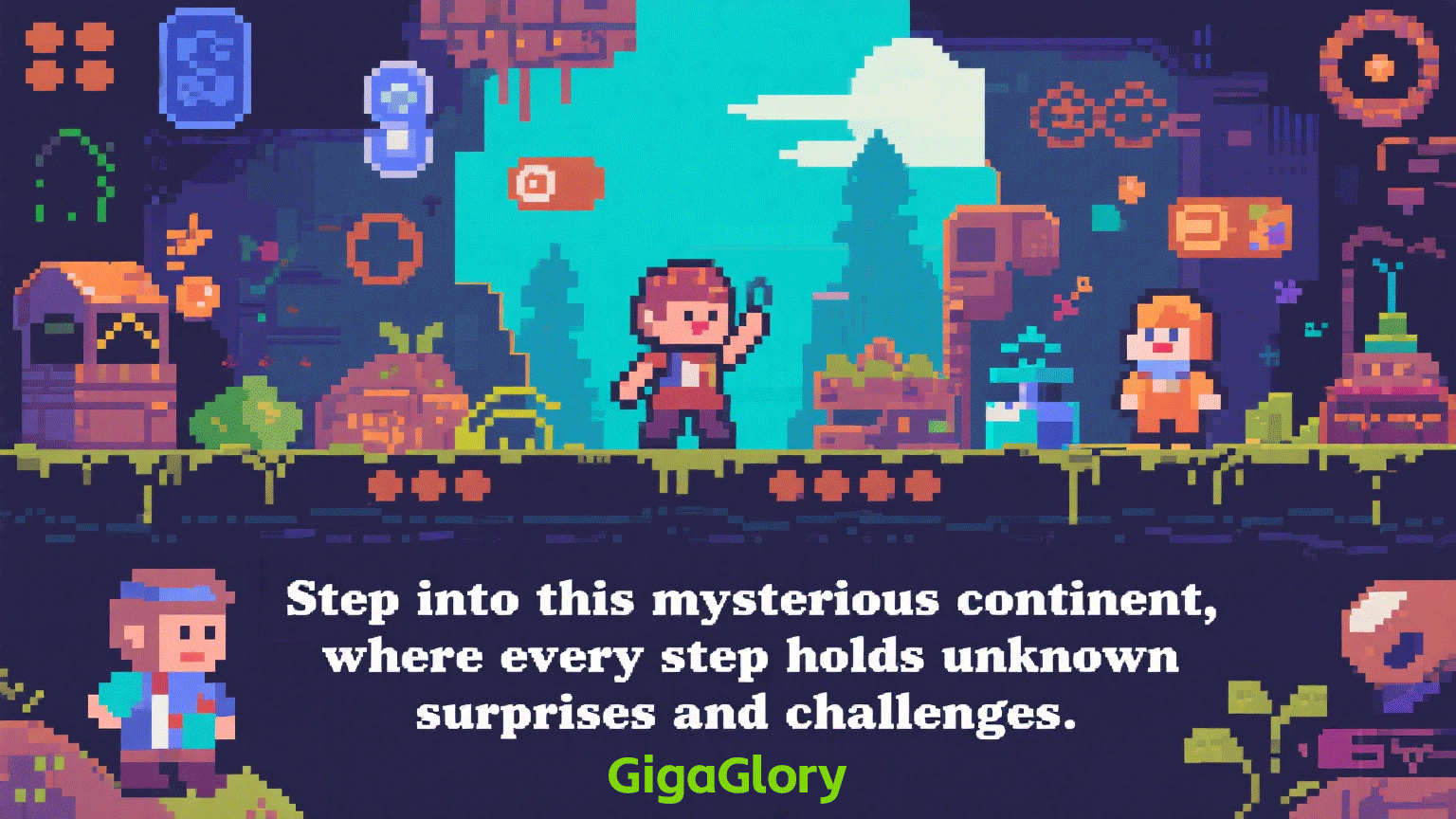
Why are these games gaining such traction? The answer is simple: they offer a social experience that connects players from all walks of life. Here’s a quick list of factors that contribute to this growth:
- Social Interaction: Players can meet new friends or connect with old ones.
- Shared Creativity: Collaborating on projects fosters a sense of community.
- Endless Content: User-generated content maintains dynamic gameplay.
- All Ages Welcome: Games can appeal to a vast age demographic, making them accessible.
Building Games vs Traditional Multiplayer Games

While traditional multiplayer games often focus on competition, building games bring a sense of cooperation that sets them apart. In traditional formats, players are often pitted against each other, trying to come out on top. Here’s a direct comparison:
| Aspect | Building Games | Traditional Multiplayer Games |
|---|---|---|
| Objective | Cooperation and creativity | Competition and strategy |
| Player Interaction | Collaborative efforts | Opponents |
| Replayability | Endless with updates | Can become repetitive |
| Learning Curve | Inclusive and flexible | Can be steep |
EA Sports FC: A Cross-Platform Experience
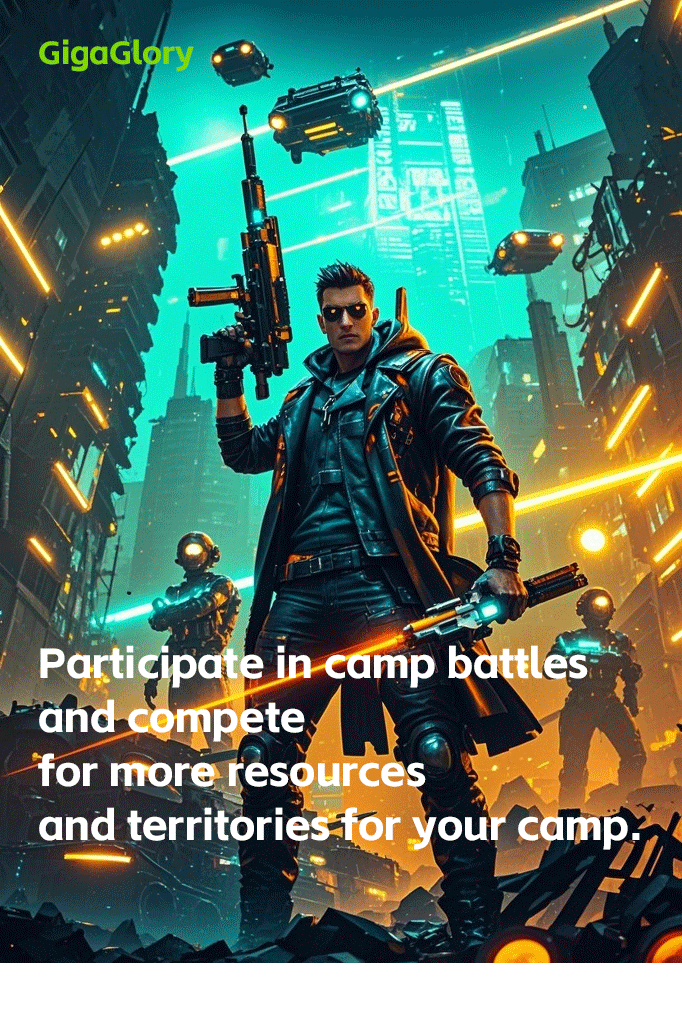
Let’s shift towards the realm of sports with EA Sports FC. Unlike classic building games, EA Sports FC combines strategy with realism, but it also embodies the essence of cross-platform play, enabling gamers from different consoles to unite. This merging of genres slightly mirrors the collaboration seen in building games, which further showcases how multiplayer experiences are evolving.
The Influence of RPG Games
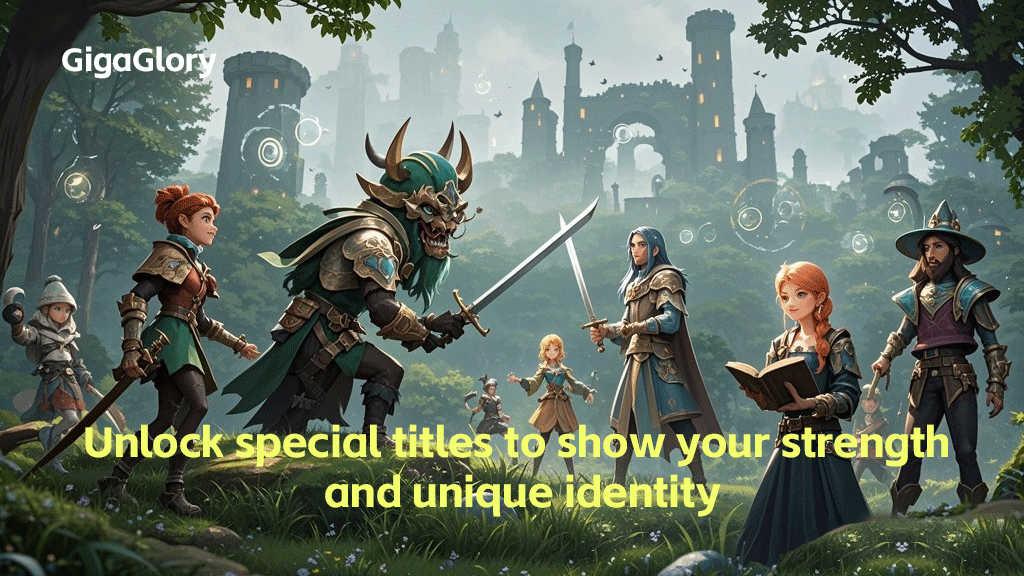
RPG games on platforms like the Wii have also shaped the multiplayer landscape. RPGs often necessitate teamwork, nurturing a format that multiplayer building games can thrive in. Players can create characters and build their own worlds, similar to the aspects found in building games. This blending of genres leads to innovative gameplay where exploration meets creativity!
How Collaborative Gameplay Benefits Players
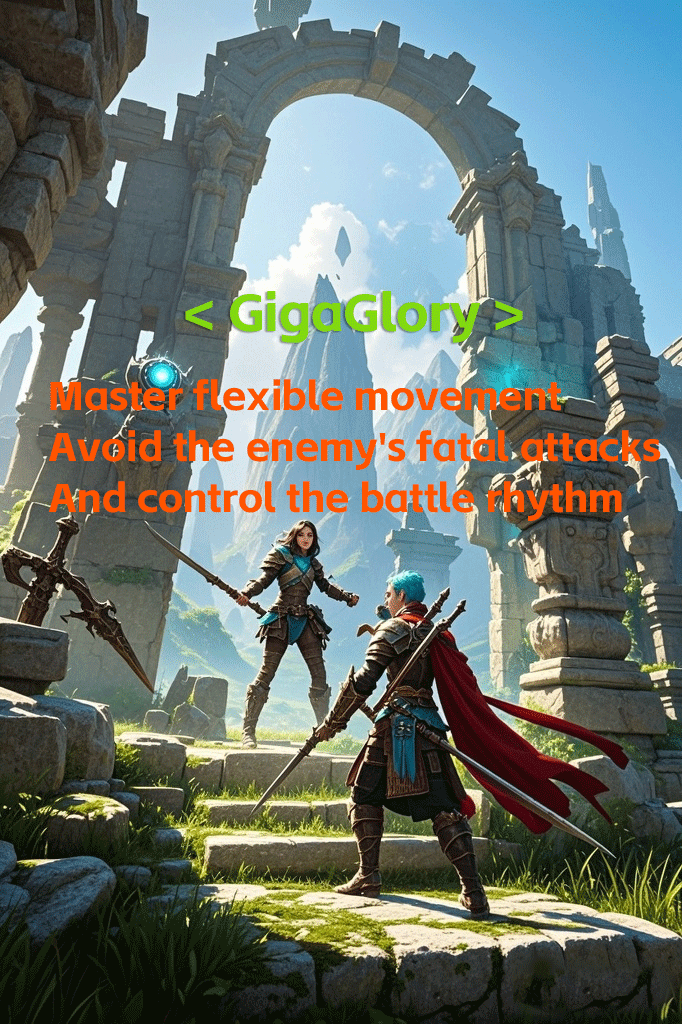
Collaborative gameplay opens up new doors for gamers. Here are some of the strengths:
- Enhances Problem-Solving Skills: Players learn how to overcome obstacles together, promoting critical thinking.
- Builds Community: There's a sense of belonging when players collaborate towards a common goal.
- Cultivates Creativity: The ability to share ideas and inspirations fuels innovation.
Engaging with the Gaming Community

Player communication is crucial. Multiplayer building games often implement systems allowing players to engage via voice or text chat, increasing interaction. Discord, for instance, has become a lifeline for many gaming communities. This fosters real-world connections that transcend the screen!
The Future of Multiplayer Building Games
As we gaze into the horizon, the future seems bright for multiplayer building games. We can expect the following trends:
- More Realistic Graphics: With technology advancing, visuals will become more immersive.
- Cross-Platform Integration: It's likely more games will allow players across different consoles to collaborate.
- Increased User-Generated Content: Gamers will continue to push the boundaries of creativity!
Challenges Ahead

Despite the bounce in popularity, challenges persist:
- Harassment and Toxicity: Some players can spoil the fun; how to manage that?
- Balance Between Freedom and Structure: Too much freedom can lead to chaos; where's the line?
- Technological Barriers: Not everyone has access to high-end consoles or PCs, which can limit participation.
Key Takeaways

In summary, multiplayer building games epitomize the new age of collaborative play in the gaming industry. Let’s recap the main points:
- They emphasize cooperation over competition.
- Player creativity drives endless possibilities and content.
- Cross-platform experiences like EA Sports FC enhance accessibility.
- Communities foster real-world connections.
Conclusion
The evolution of gaming is fascinating, transcending from simply playing alone to building worlds with friends. Multiplayer building games are at the forefront of this transition, unlocking cooperative gameplay's power. Whether you’re collaborating in Minecraft or strategizing in EA Sports FC, the future of gaming beckons: together!
Frequently Asked Questions
1. What's the main appeal of multiplayer building games?
The major appeal lies in the social interaction and the opportunity to be creative with others. Players can express themselves and collaborate on projects that might not be possible alone.

2. Can kids also enjoy these games?
Absolutely! Multiplayer building games are designed to be accessible for various age groups, making them family-friendly options.
3. Will building games continue to evolve?
Yes, as technology and player preferences change, building games will likely adapt, introducing new mechanics and features to enhance collaborative experiences.

4. Are there risks of toxicity in multiplayer games?
Yes, like any online platform, there can be negative interactions. It’s crucial for developers to create systems that promote positive behavior.

5. How do I get started with multiplayer building games?
Start by picking a popular title like Minecraft or Roblox, gathering some friends or joining online communities, and dive right into the action!