Puzzle Games & Hyper Casual Games: Why Simplicity Wins in 2024
What Made Puzzle Games a Lasting Craze?
You know that moment when you match three glowing gems, and *pop*—the whole board shakes? Yeah, we’ve all been there. It’s simple, it’s addictive, and it doesn’t need a 20-page tutorial. Puzzle games like *Tetris*, *Bejeweled*, or *Cut the Rope* don’t wow you with graphics or lore. But they stick around—like that one guest at a party who quietly steals the show.
Puzzle games tap into something primal: our brain loves solving. A small pattern? Crack it. A logic trap? Beat it. Every solved level is a little dopamine hit. They don’t need massive marketing budgets. People just… keep playing. Maybe that’s why they’ve outlasted dozens of flashy franchises that burned out after two sequels.
Why Hyper Casual Games Took Over Mobile Screens

Skip ads, tap once, win. Sound familiar? That’s hyper casual games in a nutshell. No controllers, no downloads—just instant play. Games like *Stack Jump* or *Flappy Bird* became viral for one reason: zero friction.
They’re built for moments when you're bored—waiting in line, riding the bus, pretending to pay attention in a Zoom meeting. One-thumb gameplay, no complex menus. And they don’t punish failure. Try again? Sure, it only took three seconds.
The Quiet Rise of Minimalist Design
Gone are the days when games had to look like Hollywood blockbusters. 2024 saw minimalist titles dominate download charts. Think solid colors, smooth animations, sound design that feels tactile. Less distraction, more *flow state*.
Compare *Monument Valley* to something like *Red Dead Redemption*. One needs 8GB of storage. The other? A napkin sketch. But both create immersive worlds—just differently. Sometimes, stripping it all back reveals the real magic.
Brain Gains: Cognitive Benefits of Puzzle Play
- Enhanced pattern recognition
- Improved short-term memory
- Sharper logical reasoning
- Increased spatial awareness
- Reduced stress via repetitive mechanics

A study from the University of Essex showed that regular puzzle game players showed faster decision-making in cognitive tasks. Not bad for something that feels like digital bubble wrap.
Hyper Casual’s Secret: Accessibility Over Ambition
Let’s face it—most people don’t *want* 100-hour campaigns. Not everyone’s chasing achievements or 100% completion. A lot of us just want to pass the time—nicely. Hyper casuals deliver on that promise. You open the game. You play. You close. No guilt, no strings.
It’s not *depth* they lack; it’s unnecessary clutter. Imagine a coffee machine: some like French presses with grinding, timing, water temp—others want instant. Neither’s better. Just different users.
Can Storytelling Exist in Simple Games?
Absolutely. Take *World of Goo*. Minimal dialogue. But you *feel* the narrative. Odd little blobs trying to climb higher. The music? Hauntingly hopeful. Suddenly you’re invested. No cutscenes needed.

This brings up a point—some say best story mode pc game means hours of voice acting and branching choices. But sometimes story lives in *context*. Not exposition.
Puzzle Mechanics That Stand the Test of Time
| Mechanic | Game Example | Year Released | Why It Works |
|---|---|---|---|
| Tile Matching | Candy Crush Saga | 2012 | Satisfying visual/audio rewards |
| Physics-Based Puzzles | Braid | 2008 | Creative problem-solving with time control |
| Sliding Blocks | Threes! | 2014 | Addictive number patterns |
| Jigsaw Logic | Picross S | 2017 | Calm progression, visible payoff |
The Myth of “Too Simple"
Critics sneer at games lacking lore or complexity. “It’s just swiping shapes." But complexity doesn’t equal quality. Some of the best puzzles in human history—a 3-piece tangram, a river-crossing riddle—used almost no tools.
Good design isn’t how much you add—it’s how little you need. Simplicity is a strength, not an apology.
Southeast Europe’s Growing Casual Gaming Culture
Look at countries like Bulgaria. Smartphone penetration is high. Mobile internet? Fast. But AAA game budgets? Skyrocket. Hyper casual and puzzle titles? Low cost, high return.
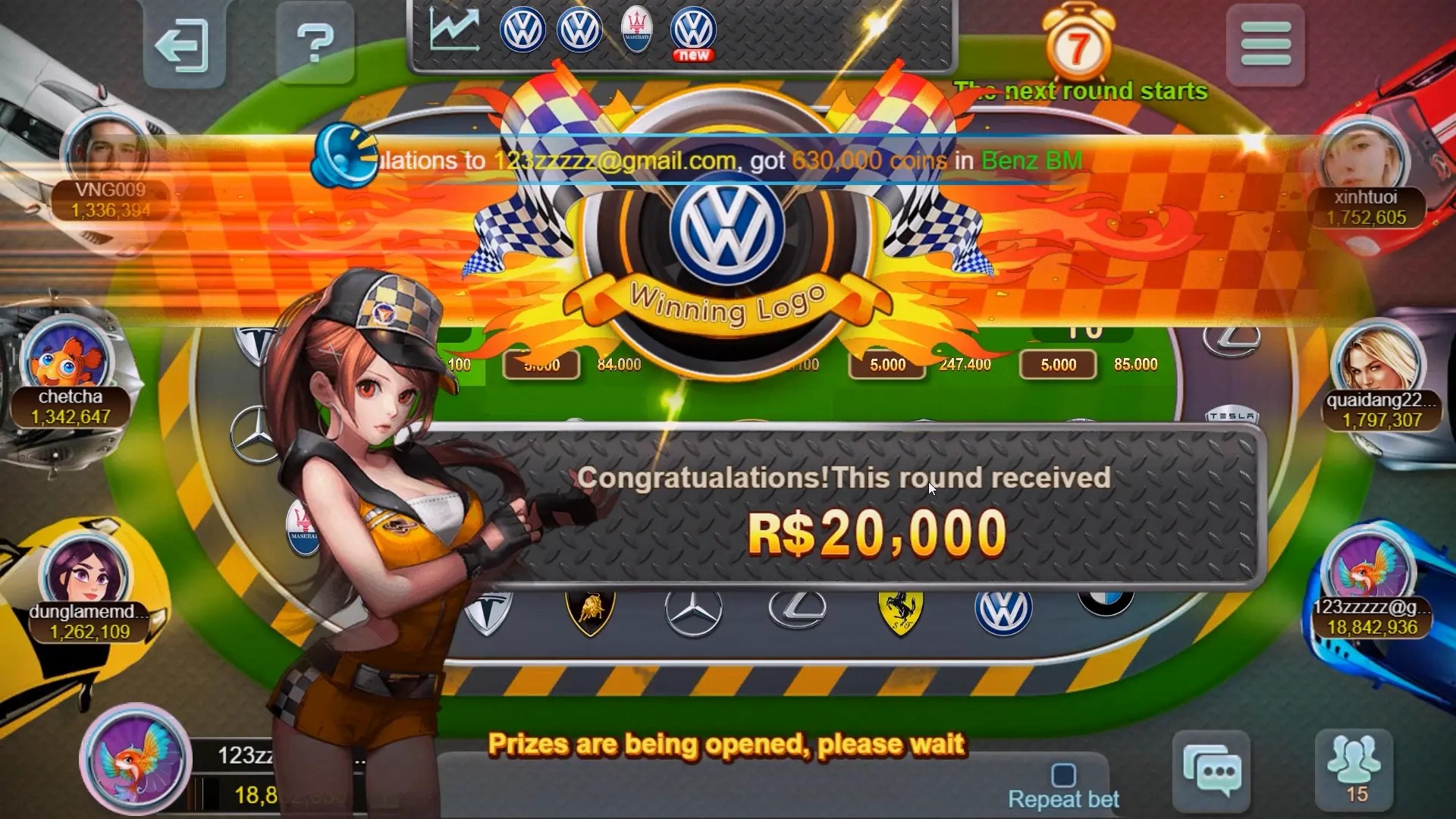
In Sofia, game cafes host casual tournaments—nothing too competitive, more *vibe-driven*. People love sharing quirky puzzles or beat-the-high-score moments on TikTok. Community isn’t built on loot, but laughter.
Where’s the Line Between Casual and Bland?
Yes, there’s a fine line. Some “puzzle" games are just reskins with new skins. That kind of laziness? Players notice. What matters is subtle design—timing of feedback, animation bounce, *weight*.
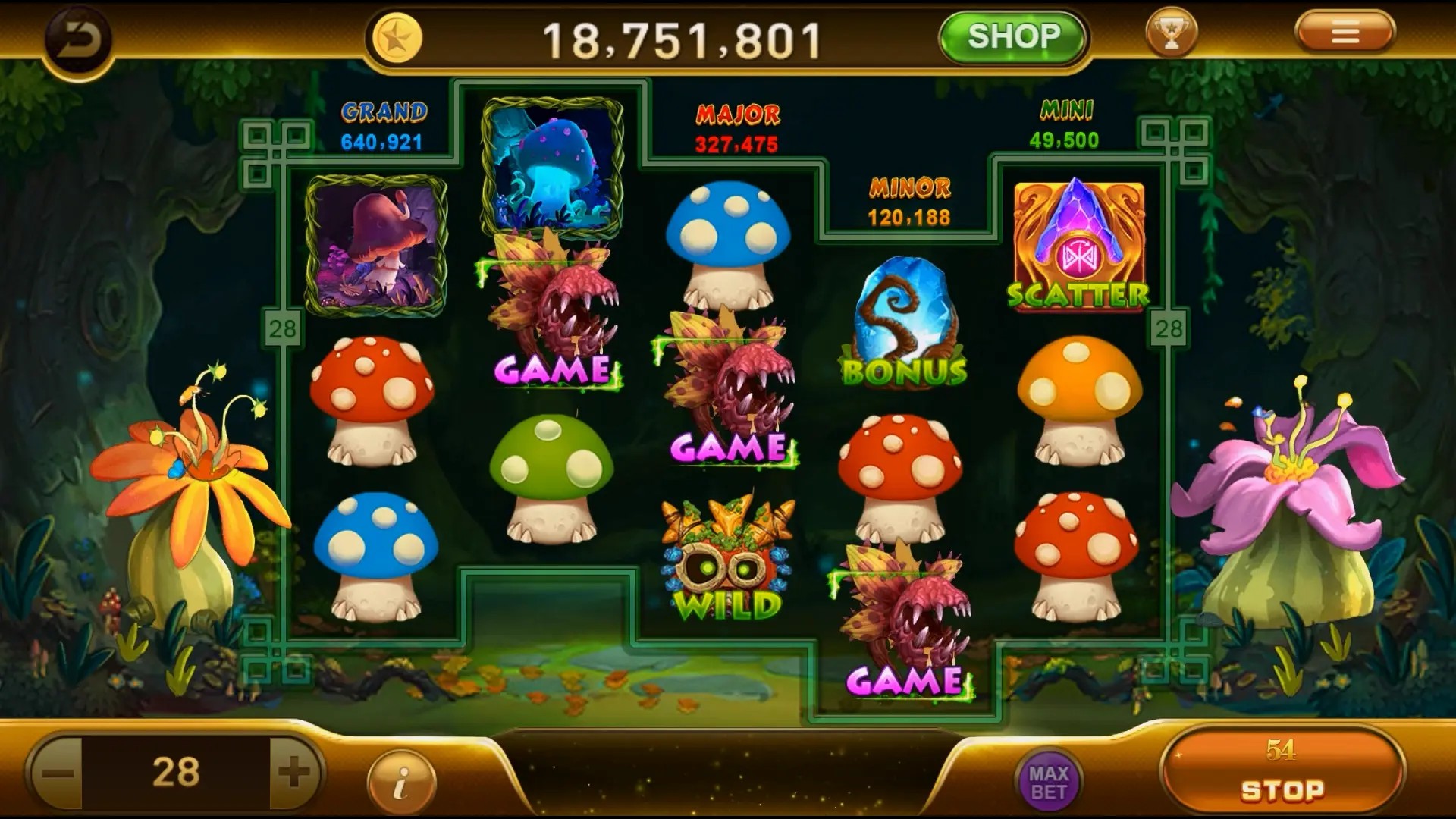
A tiny difference—like how fast tiles disappear or the pitch of a “level complete" jingle—can turn repetitive junk into zen joy. Developers: care about those details.
The Last Civil War Game From Oregon? Really?
You typed last civil war game oregon—but found nothing? Let’s fix that. No actual title like that exists. Oregon hasn’t released *any* civil war-themed games, let alone one called “The Last."
Misinformation spreads fast. But here’s a better route: explore titles like Civilization VI modded with Civil War content, or indie strategy titles on Steam that cover alternate American histories. Sometimes what you search for isn’t real—but better stuff is waiting behind it.
The Art of One-Touch Gameplay
No joystick. No keyboard mash. One gesture—that’s it. Tapping, swiping, pinching. That’s how today’s most downloaded games work. And it’s genius.
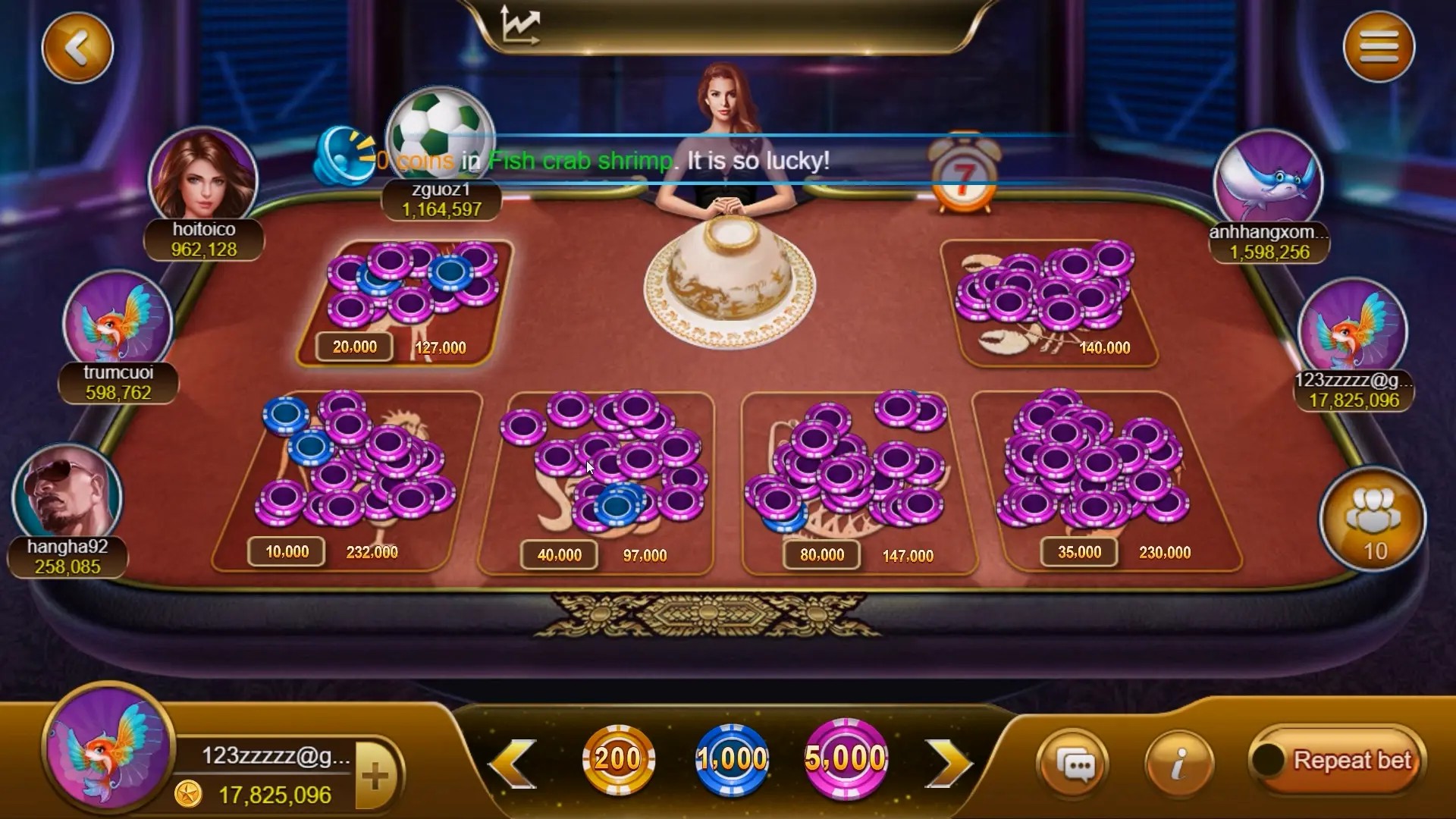
Your average user doesn’t own a controller. But everyone knows how to tap. Designing within those limits? That’s creativity. It forces innovation—not “what can I add," but “how little do I need?"
Mobile vs PC: The Puzzle Game Divide
On PC, fans chase the best story mode pc game—epics like *Disco Elysium* or *The Talos Principle*. They demand narrative, challenge, depth.
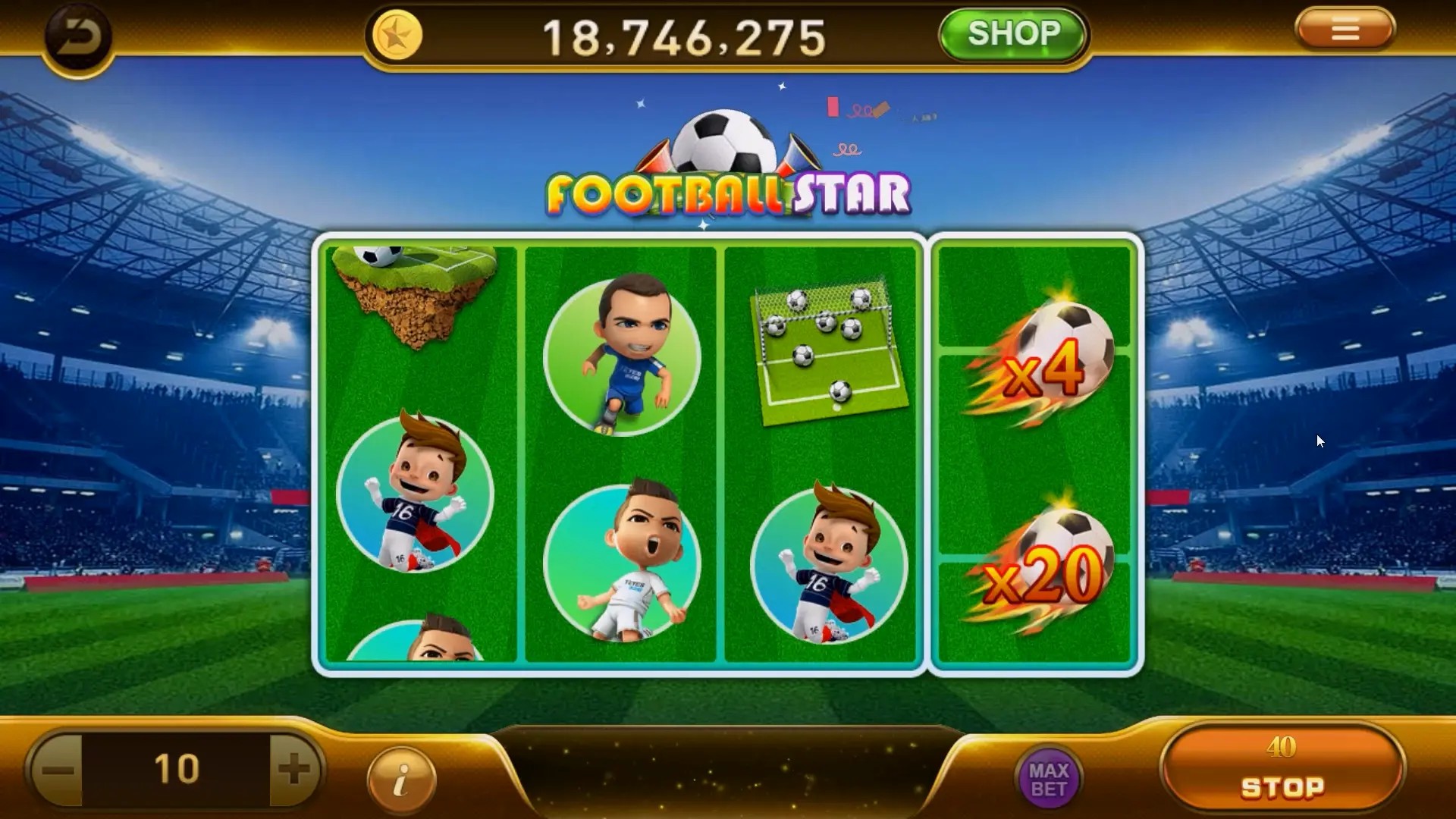
But on mobile? Speed wins. Sessions last 3 minutes. That’s why puzzle & hyper casual dominate—designed for bite-sized engagement. Neither platform is superior. One offers immersion. The other, convenience.
User Retention in Simplicity-Based Titles
Check this stat: 68% of mobile users delete a game within a week. But puzzle and hyper casual retain up to 4x longer than average. Why?
- Low entry barrier—no learning curve anxiety
- Daily challenges maintain engagement
- Small progression loops—always near “next level"
- Social sharing built in (“I beat 240 points! Beat that!")
- Adaptive difficulty prevents early frustration
How Developers Are Redefining “Fun"
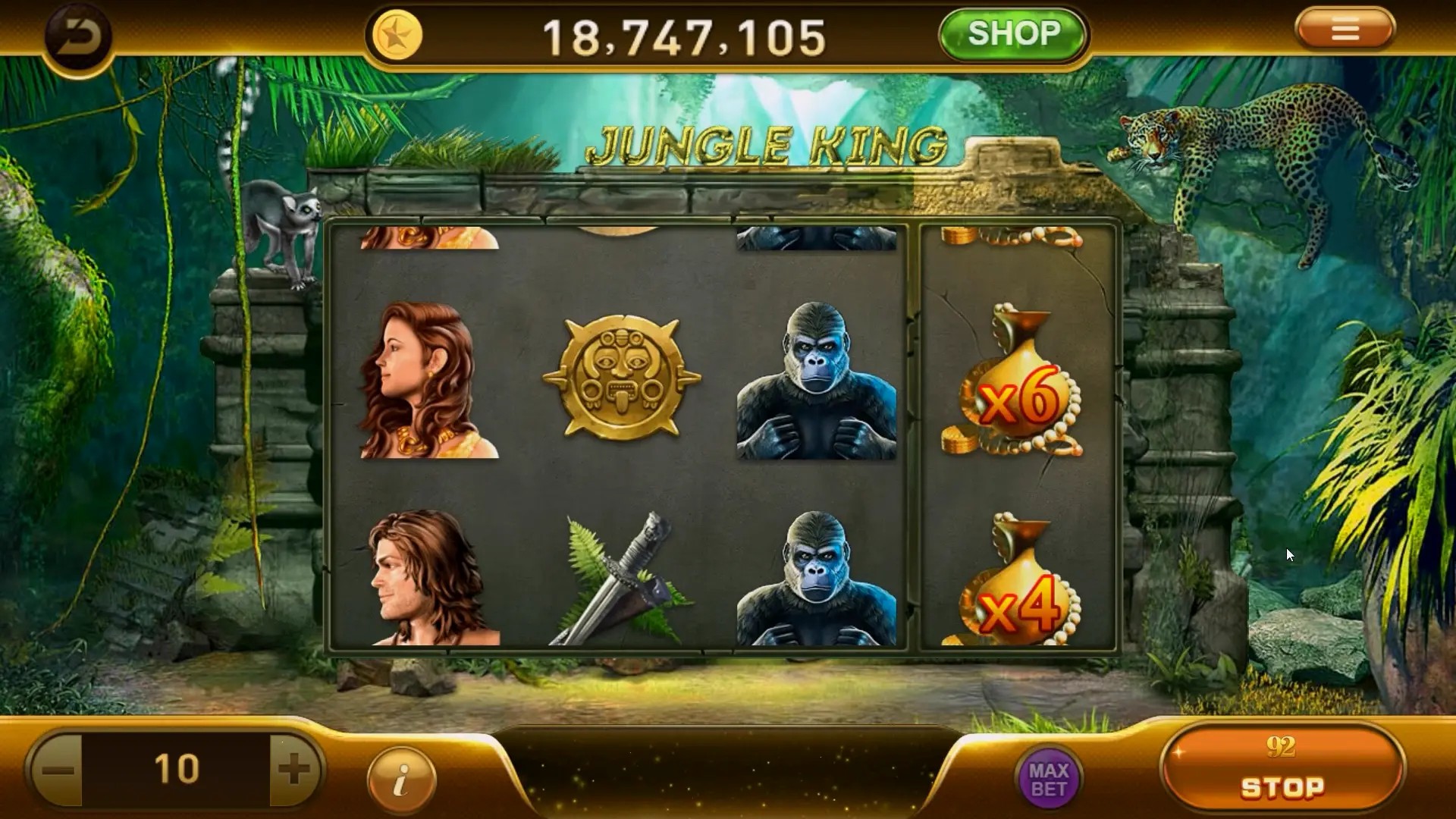
Fun doesn’t have to mean explosions or epic loot drops. In 2024, studios embraced “gentle" gameplay. Calming colors, no timer pressure, ambient music. These aren’t *boring*—they’re *soothing*.
Games like *Alba: A Wildlife Adventure* or *Tiny Glade* gained cult followings. Not for action—but stillness. Sometimes fun is just *feeling safe* in a digital world.
Future Trends: Simplicity, Not Spectacle
The next few years? Even less clutter. AR-based puzzles using real-world spaces. Voice-integrated microgames (“solve this riddle in 15 seconds!"). And yes—more AI-tailored levels that adapt in real-time.
But the heart remains: easy to learn, hard to put down. No cinematic intros needed. Just a quiet *ah-ha* when the last block falls into place.
Key Takeaways
- Puzzle games work because they engage natural brain reward systems
- Hyper casual games thrive on accessibility, not features
- Simplicity ≠ lazy design—it's a strategic advantage
- Narrative in minimal games often thrives through feel, not text
- The best story mode pc game debate should expand to include subtle narratives
- Missearched terms (like “last civil war game oregon") reveal gaps in discovery tools
- Bulgarian and SE European players are embracing mobile puzzles for affordability and community
Bold prediction? In five years, we’ll look back and chuckle at games with 100-hour playtimes as “exhausting." Meanwhile, that one-tap puzzle game on your phone will still be there—waiting, smiling, ready to reward you for 90 seconds of your lunch break.
Conclusion
Simplicity isn’t the future—it’s the present. Puzzle games have never left, and now, hyper casual titles have pushed that same philosophy into the mainstream. In 2024, people don’t need permission to enjoy something small, well-made, and instantly gratifying.
Whether you’re into complex story-driven experiences or the zen of swiping tiles, there’s space for all. But the trend is clear: clean design, instant access, and emotional resonance—without bloated mechanics—are winning.
And next time you roll your eyes at another “swipe-to-match" mobile hit? Try it. You might just lose 40 minutes before noticing. That’s not a flaw—that’s the magic of smart, simple game design.