Creative Minds, Limitless Play
Let’s face it—there’s something wildly satisfying about creating a universe from scratch. Whether you're managing a bustling city or simulating a zero-gravity research station orbiting Mars, simulation games do more than entertain. They challenge you to think, adapt, and most importantly, create. For players in Norway and beyond who hunger for innovation and expression, diving into the world of creative games isn’t just fun. It’s a mental upgrade.
Why Sim Games Rule the Imagination Space
Simulation games tap into that primal desire to control, build, break, fix. Remember when Forts crash apon entering match became a meme among strategy enthusiasts? Even technical glitches like that didn't kill the game’s cult status. Why? Because players were already hooked—building intricate forts, launching ballistic nightmares, and defending with duct-tape logic and quantum lasers.
In Norway, where design-thinking and problem-solving are embedded in the culture, simulation-based play hits home. It aligns with our love for thoughtful engineering and creative pragmatism.
Fostering Ingenuity Through Virtual Labs
What makes simulation games different from pure arcade bangers like Call of Duty? Simulations don't just react—they simulate. They offer a digital sandbox that reflects cause and effect, encouraging you to understand systems, not just win matches. That shift—from consumption to co-creation—ignites cognitive fire. And it’s not limited to coding or engineering sims.
Game Mechanics That Inspire True Creation
- Physics Engines: Games like Forts lean heavily on realistic movement and momentum—when your bridge buckles mid-battle, you’re not just mad, you're motivated to rebuild better.
- Resource Management: It forces prioritization. You’ve got enough plutonium for a reactor or a cannon—but not both.
- User-Generated Content: Tools to design levels, skins, or even scripts empower deeper engagement.
- Near-zero Scripted Paths: Unlike story-heavy RPGs, many sim titles avoid forced narrative arcs, freeing players to forge their path.

These mechanics turn players into problem-solvers, even if the only “real" crisis happening is in their virtual power grid or troop supply line.
Beyond Fun: Brain Training Disguised as Play
You think you’re launching a satellite in Kerbal Space Program. You’re actually doing orbital physics with trial-and-error that’d make Newton raise an eyebrow. Every exploded craft teaches aerodynamics. Every failed rendezvous hammers Newton’s Laws home. That’s not luck—that’s cognitive layering.
Researchers in Trondheim have studied how players exposed to complex simulation titles score higher in lateral thinking and systems reasoning. It's not a coincidence. Games that mimic complexity—like weather patterns, structural integrity, or economy dynamics—are training wheels for real-life innovation.
The Forts Fiasco: When Crashes Don’t Kill Loyalty
Ah yes. The infamous forts crash apon entering match. We’ve all been there. You boot up after three weeks of anticipation—decked with new tower mods and a laser-grid design that rivals Skynet. Hit ‘Join Match.’ Then—BAM—back on desktop. Logs empty. Panic sets in.
But the community stuck. Not just Norway, but across Nordic regions. Why? Because even with bugs, the gameplay loop was rewarding. The tension of base building. The chaos of a real-time pvp explosion symphony. Sure, you wanted the patch notes to move faster. But when the fix finally arrived? Joy.
Celebrated Sim Titles Fueling Global Minds
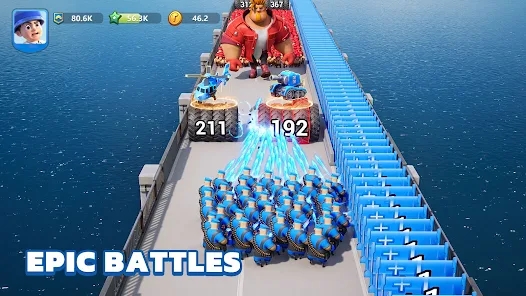
No list feels complete without shouting out the titans. Here are the ones turning classrooms and backrooms into innovation hubs:
| Title | Genre | Innovation Element | Popularity in Norway |
|---|---|---|---|
| Factorio | Factory Automation | Circuit networks, logic control | ★★★★☆ |
| Stormworks: Build and Rescue | Vehical Engineering Sims | In-game microcontroller scripting | ★★★★★ |
| Cities: Skylines | Urban Planning | Traffic AI analysis, zoning strategy | ★★★★☆ |
| The Sims 4 (With Custom Content) | Life Simulation | Lua modding, creative storytelling | ★★★★★ |
| Kerbal Space Program | Space Exploration | Orbital mechanics simulation | ★★★★★ |
From Pixels to Prototypes: Real-World Impact
Schools in Bergen use simplified cities-building sims to teach students about energy efficiency and urban sprawl. In Oslo, engineers simulate stress models in-game that later influence structural planning. It’s happening.
A student in Stavanger modeled a floating wind platform in Stormworks that—believe it or not—caught the eye of a maritime tech incubator. He’s interning this summer.
Mobility in Mechanics: Learning on the Fly
You don’t need a PhD to build a jet-engine from scratch in Forts. The UI’s tactile. Drag. Click. Tweak. Boom? Try again. That immediate feedback loop teaches persistence. The Norwegian word å prøve seg frem —to test your way forward—fits like a glove.
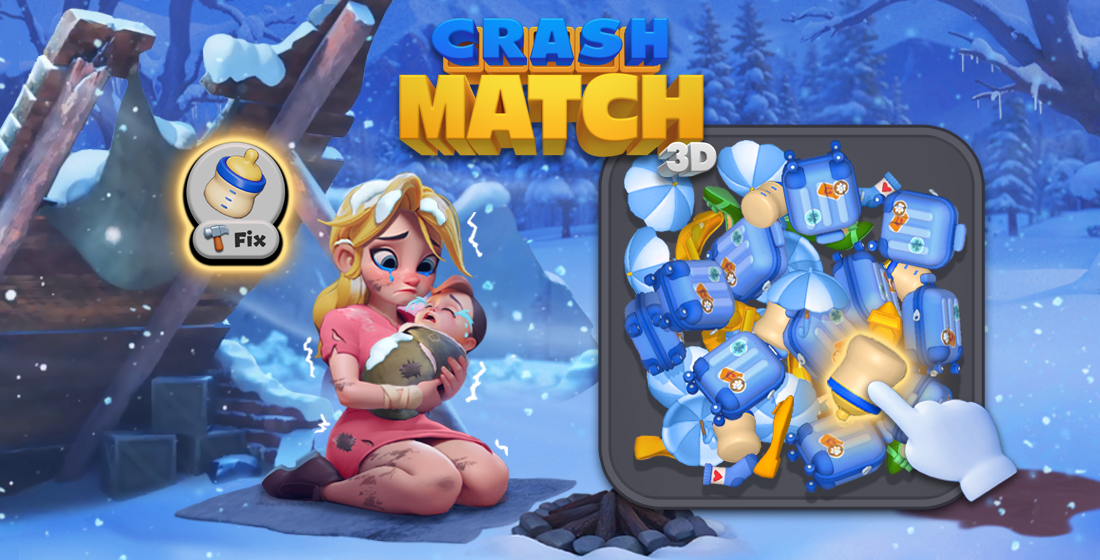
No one starts with perfection. Even the pro Forts league streamers have clips of their bases being nuked in 90 seconds. Growth isn’t linear. It’s turbulent.
Beyond Bullets: Delta Force Culture Meets Game Design
Now, a detour. You may have searched for delta force pictures—maybe military precision appeals to you. What if we told you that’s actually tied to simulation gaming? Military simulators used for real training borrow mechanics from public creative games. Think scenario modeling, terrain analysis, logistics simulations. Even VR battlefield planning tools have UI elements that feel… eerily similar to a Forts loadout menu.
This isn’t accidental. Game designers are consulted by defense projects. Reverse too—some ex-military now design commercial war sims. The flow between real-world ops and digital experimentation? It’s more like a feedback loop.
Your Mind is the Ultimate Game Engine
You could argue the best simulation game isn’t on Steam or Epic. It’s in your brain. Every time you plan a complex machine, tweak resource flows, or debug why your power network collapsed during blizzard conditions, you're exercising systems thinking. And the more you practice it playfully, the sharper you become.
In a society that values sustainability, precision, and ingenuity—values deeply rooted in Norwegian life—it makes sense why these games resonate so strongly.
Gaming Glitches Don’t Equal Failure

That forts crash apon entering match problem? Yeah, it sucked. But it also taught something vital: persistence. In fact, some of the most devoted modders started precisely because of crashes—they wanted to fix what devs missed.
One player from Tromsø wrote a diagnostic tool for launch failures, shared it on GitHub. It’s now downloaded over 15k times. The frustration of failure birthed a tool for others. That’s what innovation looks like.
How To Choose the Right Simulation Game for You
Overwhelmed by choice? Focus on passion, not just mechanics. Ask:
- Do I enjoy organizing chaos (e.g., Two Point Hospital)?
- Am I obsessed with how things work (e.g., Oxygen Not Included)?
- Do I like storytelling through building (e.g., Sky Factory modpack)?
- Am I drawn to realistic modeling (e.g., flight simulators with Norway scenery)?
Pick based on where your curiosity lives—not what's trendy.
Emerging Trends in Simulation Gaming
The future of sim play is collaborative. Think persistent online worlds, moddable universes, real physics. Minecraft: Education Edition already lets Norwegian kids simulate climate change scenarios in class. RimWorld uses AI to generate unpredictable colony events—psychology-driven storytelling at its finest.

We're moving from solo creation to shared complexity. Expect more AI-driven challenges, deeper realism, and greater cross-pollination with STEM learning.
The Bottom Line
Simulation games aren't just entertainment. For creatives, students, engineers, and dreamers—especially in places like Norway that value functional design and innovative solutions—they’re catalysts. They help you prototype ideas, manage chaos, and fail forward without real-world stakes.

From enduring the occasional crash (yes, we see you, forts crash apon entering match) to building worlds from raw logic, these games reward not speed, but insight. They don’t hand you success. You earn it. Through iteration. Through creativity. Through stubborn joy.
If you've ever stared at the northern sky and imagined something greater—whether a flying city, a disaster-resistant village, or a Mars base that uses geothermal cores—then creative simulation games aren’t distractions. They’re invitations.

Final Key Points to Keep Close:
- Simulation games enhance real-world problem-solving.
- Bugs like forts crash apon entering match test—not break—player loyalty.
- Popular titles like Factorio and Stormworks have strong traction in Norway.
- Delta force pictures and military sims share DNA with civilian creative games.
- The best sim experience grows your mind, not just your in-game stats.
No polished corporate tagline here—just this: Start building. Even if it collapses. Especially if it collapses. You're not playing a game. You're training for the future.