Unleashing Your Imagination: The Evolution and Impact of RPG Games on the Gaming Industry
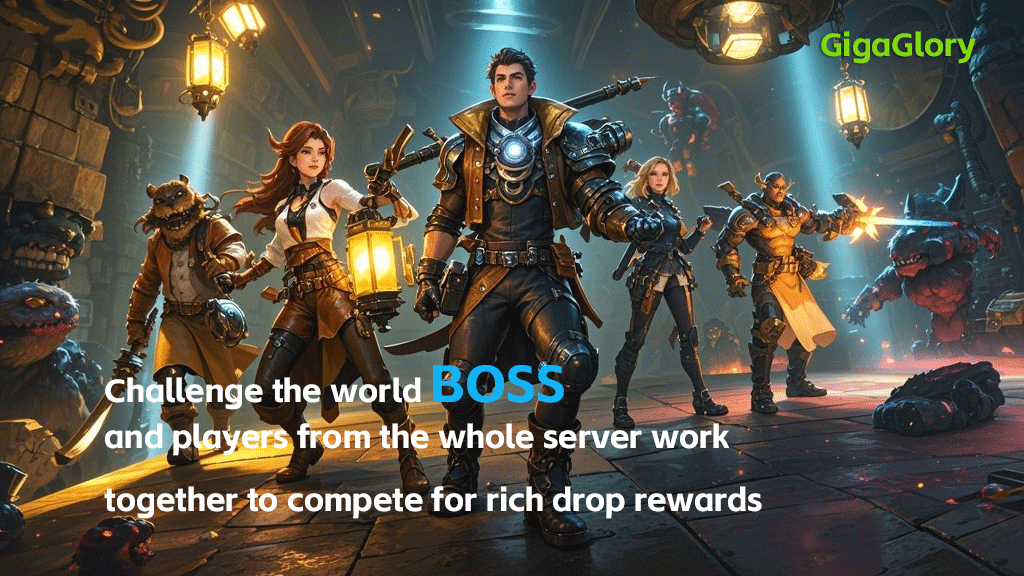
The world of gaming has experienced a remarkable transformation over the past few decades, with RPG (Role-Playing Game) games being at the forefront of this evolution. From the very first tabletop games to the immersive digital experiences we have today, RPG games have not only shaped the gaming landscape but have also influenced various aspects of culture and storytelling.
The Birth of RPG Games
RPG games began in the 1970s with titles like Dungeons & Dragons. These games introduced a new way of storytelling, where players could create characters, embark on epic quests, and engage in collaborative narratives. This shift allowed players to unleash their imaginations in ways that traditional games had not.
The Rise of Video RPGs
As technology advanced, RPGs moved from tabletop to digital formats. Games like Final Fantasy and The Elder Scrolls series became fan favorites, showcasing rich narratives, diverse characters, and vast open worlds. Players found themselves exploring lush landscapes and engaging in complex storylines, making choices that shaped their gaming experience.
The Impact on the Gaming Industry
Today, RPG games hold a significant place in the gaming industry. They contribute to a large portion of game sales and are influential in setting trends. The storytelling, character development and world-building elements introduced by RPGs have trickled into other game genres like action and adventure, enhancing the overall gaming experience.
Key Features of RPG Games
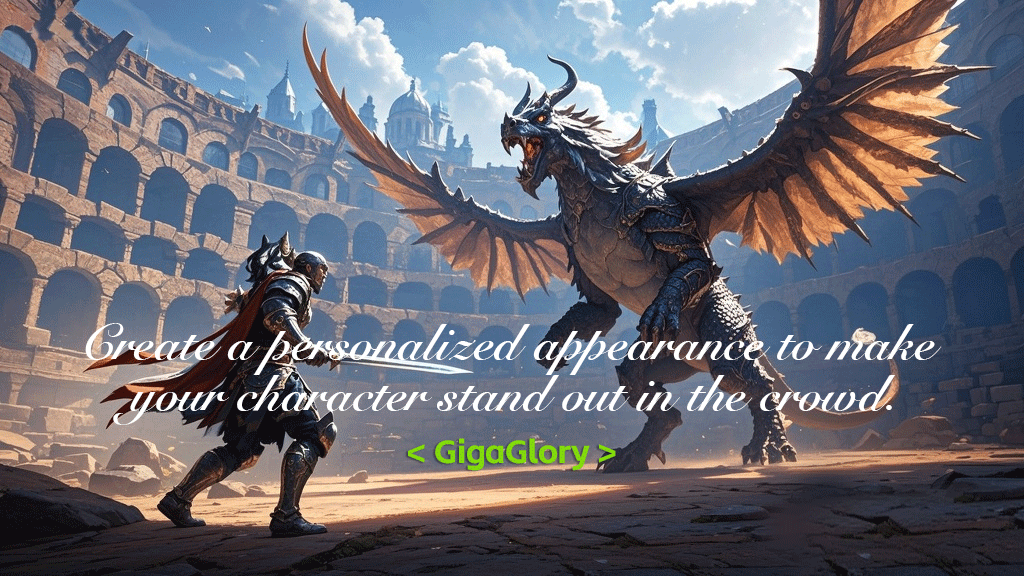
- Character Customization: Players can tailor their characters to reflect their preferences.
- Open World Exploration: Many RPGs allow for expansive worlds to explore, filled with quests and adventures.
- Choice and Consequence: Decisions made by players affect the outcome of the game, leading to a personal experience.
A Case Study: Game of Thrones
The popularity of Game of Thrones has even inspired RPG elements, including maps of the seven kingdoms that fans adore. This has shown how RPG mechanics can cross into mainstream culture, enticing viewers and gamers alike.
Table: RPG Game Evolution Timeline
| Year | Milestone |
|---|---|
| 1974 | Launch of Dungeons & Dragons |
| 1987 | Release of Final Fantasy |
| 1994 | The Elder Scrolls: Arena debuts |
| 2000s | Massive Multiplayer Online RPGs (MMORPGs) rise, e.g., World of Warcraft |
| 2023 | Continued integration of RPG mechanics in various genres |
RPG Games and Their Influence on Other Genres
RPG mechanics have seeped into many other types of games, enhancing them and making them more engaging. This blending of genres often leads to innovative gameplay experiences, as shown in popular titles that combine action, strategy, and RPG elements.
For those dipping their toes into the culinary world, considering what spices go with sweet potato mash can also be a fun exploration of flavors—just like RPGs offer varied experiences based on players' decisions.
Conclusion
In summary, RPG games have dramatically evolved over the years, shaping not only the gaming industry but also influencing storytelling and culture. As we embrace new technologies and narratives, the potential of RPGs to captivate players continues to grow. With their expansive worlds and intricate storytelling, RPGs invite us all to unleash our imaginations and embark on our own quests.