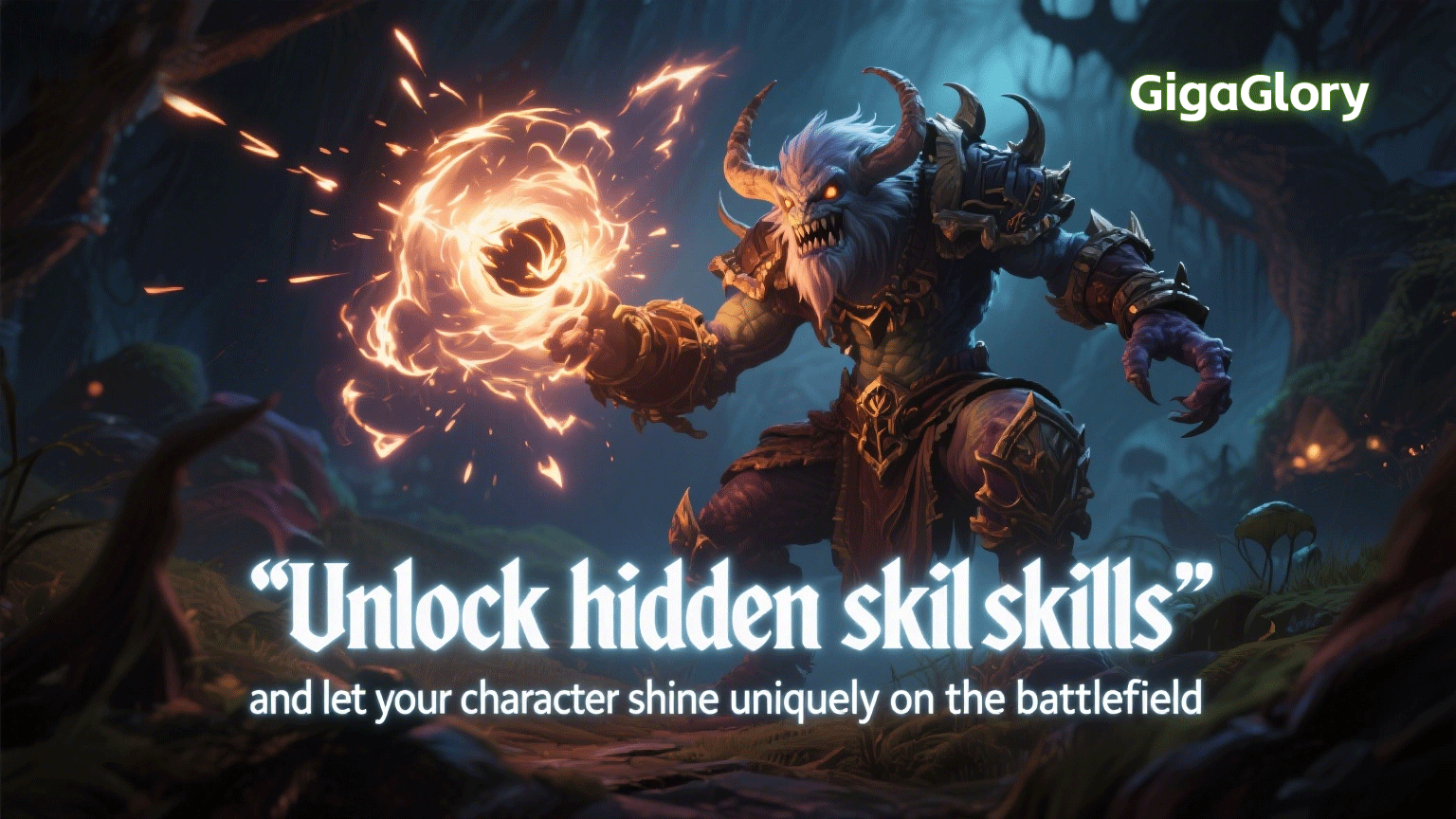
Unlocking Success: How RPG Games Transform Business Simulation Games
The Evolution of RPG Games
RPG games, short for Role-Playing Games, have come a long way since the early days of simplistic text-based adventures. Today, they blend immersive storytelling with intricate gameplay mechanics. From franchises like "Final Fantasy" to "The Elder Scrolls," these games have set benchmarks for engagement and creativity. The way players can develop characters, explore vast worlds, and weave their own narratives has influenced various genres, particularly business simulation games.
What Makes RPG Games Unique?
- Character Development: Players customize their avatars, allowing for a personal connection to the story.
- Open World Exploration: Immense worlds filled with quests and puzzles keep players engaged for hours.
- Story-Driven Elements: RPGs often feature deep, complex plotlines that evolve based on player choices.
The Connection Between RPGs and Business Simulations
It might sound weird, but when you think about it, business simulation games can benefit massively from RPG mechanics. Here’s how:
- Player Engagement: Just like in RPGs, engaging narratives can make players more invested in the business scenarios.
- Skill Development: Characters in RPGs gain experience and improve skills. Imagine business leaders doing the same to drive their companies forward!
- Decision Making: RPGs thrive on the consequences of choices; similarly, business simulations can offer players vital lessons in strategy and resource management.
How EA Sports FC 25 is Changing the Game on Xbox Series X
EA Sports FC 25 takes the battle beyond the pitch and into business simulation by implying an RPG approach. Its players aren't just managing a football team, but they're also developing strategies and engaging in community interactions, drawing parallels between sports management and typical RPG elements.
Key Features of EA Sports FC 25
| Feature | Description |
|---|---|
| Player Customization | Tailor your squad with unique skills and styles, much like RPG character customization. |
| Dynamic Storylines | Experience evolving narratives that impact game mechanics and player development. |
| Strategy and Management | Implement advanced tactics while managing resources and player morale. |
Shadow of War: A Case Study in Skill Repurchase
In "Middle-earth: Shadow of War," players face a gripping challenge: they must repurchase skills from the last game. This concept mirrors real-world business scenarios where companies often need to “buy back” or re-implement lessons learned from prior experiences. Why is this important? It emphasizes the need for continuous skill enhancement and adaptation.
The Impact of Skill Repurchase in Business
- Re-learning from Failures: Just like in RPGs, every setback is an opportunity for growth.
- Investment in Training: Playing Shadow of War repeatedly reminds players of the value of investing in skill-refresh initiatives.
- Leveraging Experience: Experienced players approach new challenges with a collected arsenal of knowledge.
Bridging the Gap Between Entertainment and Business
Many professionals are now turning to video games for lessons in strategy and teamwork.
Why? Because engaging in these immersive environments can develop critical thinking, interpersonal communication, and strategic planning skills—all essential aspects for thriving in the business landscape.
Benefits of Using RPGs for Business Training
- Enhanced Problem-Solving Skills: Players face various scenarios that require quick thinking and applied knowledge.
- Team Collaboration: Many RPGs enable multiplayer modes, promoting teamwork and collaborative strategy formulation.
- Simulated Risk Assessment: In-game decisions often parallel real-world choices, forming a safe environment for risk management.
My Perspective on the Future of RPGs in Business
Moving forward, I believe we’ll see a greater integration of RPG structures within business simulation games. Businesses that embrace this trend can expect to see enhanced employee engagement and improved learning outcomes. Why settle for standard training modules when interactive learning can achieve far more?
Potential Challenges Ahead
- Market Resistance: Traditionalists may resist these changes, may prefer established training methods.
- Resource Allocation: Developing these complex games requires significant investment.
- Balancing Fun and Education: Striking a proper balance between engaging gameplay and educational value is crucial.
Conclusion: The Path Forward
As RPG games evolve, their influence on business simulations cannot be ignored. Whether it’s through immersive storytelling, skill improvement, or strategic decision-making, there's a wealth of opportunity in marrying these genres. The role of games in education and industry is more significant than many realize—and it’s just getting started!
FAQ
1. Can RPG games truly enhance business skills?
Absolutely! RPGs provide situations that require critical thinking, teamwork, and strategy—all of which are transferable to business practices.
2. What are the best RPGs for business learning?
Games like "Civilization," "The Sims," and "Football Manager" include elements that can aid in business simulation training.
3. Why should businesses consider game-based training methods?
Engagement is key! Game-based learning can increase retention rates and make learning enjoyable.
4. Are there any downsides to using games in business training?
Yes, potential resistance to new methods and the challenge of creating compelling content are notable disadvantages.