
Why Building Multiplayer Games Are Revolutionizing Online Gaming Experiences
As the realm of online gaming continually evolves, one thing is certain—multiplayer games are at the forefront of this transformation. From complex strategy games like Clash of Clans to immersive role-playing experiences, the act of building games is changing how players interact with each other and the gaming world. This article dives into the various reasons why multiplayer games are revolutionizing the online gaming experience, examining the design principles, community engagement, and the future of gaming.
The Rise of Multiplayer Games
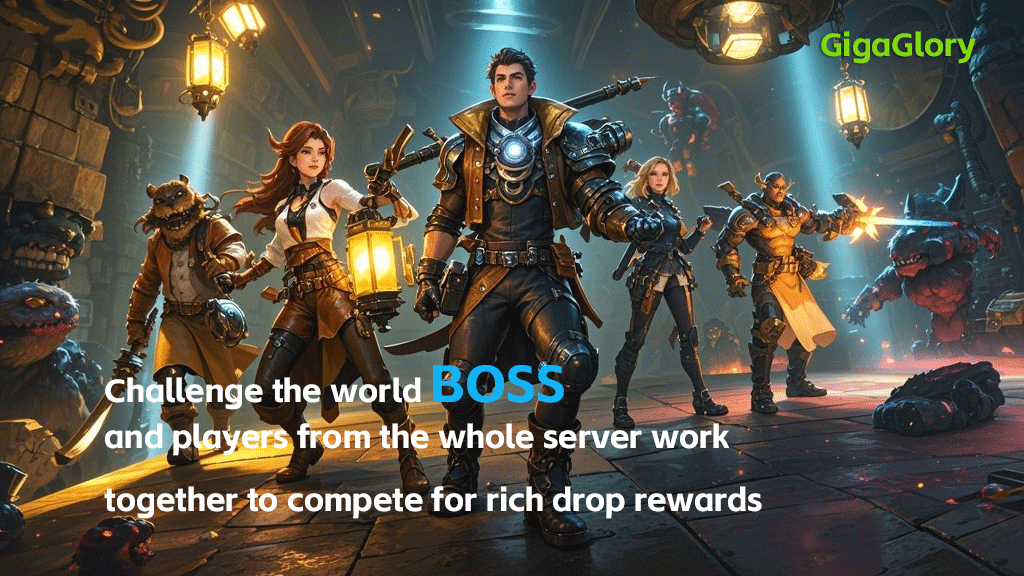
Over the past few years, the rise of multiplayer games has significantly changed the dynamics of online gaming. Players no longer simply engage with a game; they engage with people, creating communities. This transition has opened up new avenues for social interaction, competition, and collaboration.
Understanding the Multiplayer Phenomenon
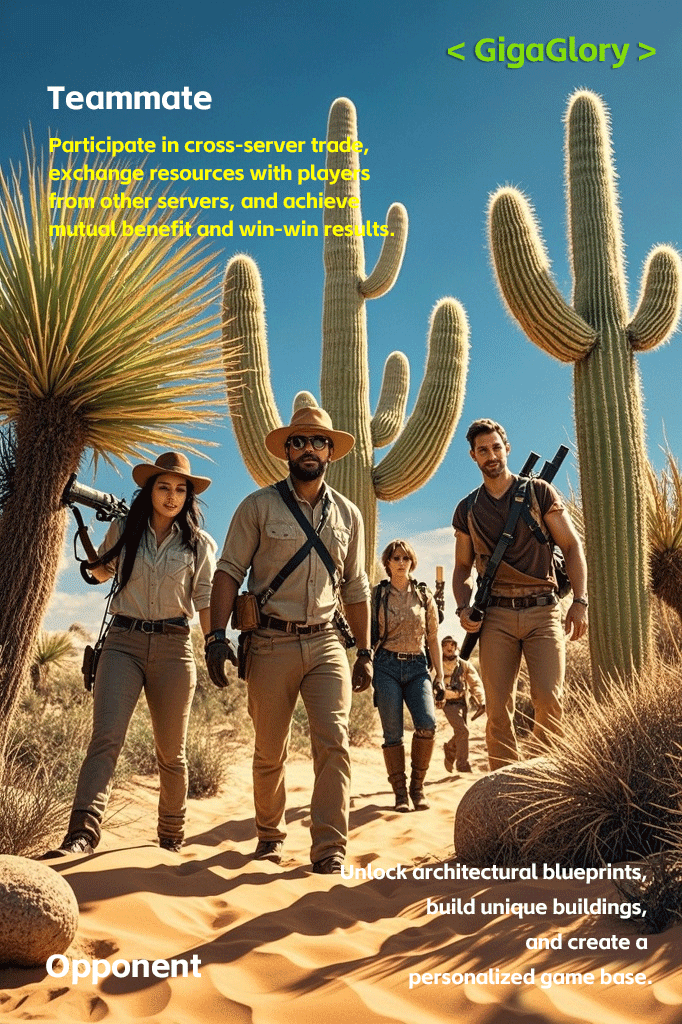
So why are multiplayer games so compelling? Let’s explore some key factors:
- Social Engagement: Connecting with friends or making new ones.
- Competition: The thrill of competing against others.
- Collaboration: Team-based objectives foster teamwork.
Building Games: The Core Element

The concept of building games refers not only to the mechanics involved but also to the community aspects. Players invest time in creating their spaces, whether it’s a resource base in Clash of Clans or unique worlds in text-based RPG games.
Community Interaction: Learning & Evolving Together
Multiplayer games provide a platform for players to learn from each other. Strategies are shared, successes celebrated, and failures analyzed. This aspect makes the experience so rich:
| Benefits | Description |
|---|---|
| Shared Knowledge | Players gain insights from experienced users. |
| Feedback Loop | Constructive criticism leads to improvement. |
| Shared Resources | Working together on projects creates synergy. |
The Emotional Connection
Multiplayer games can evoke profound emotions, fostering a sense of belonging. Players often become attached to their characters, their bases, and their teams—creating emotional investments that many single-player games struggle to achieve.
Customizability: Building Your Own World
One of the most appealing aspects of building games is the level of customization available. Players can design their characters, worlds, and game mechanics, allowing for a highly personalized approach. This level of control is thrilling!
Innovative Game Mechanics
New and innovative game mechanics are emerging to enhance multiplayer experiences. For instance, many games now incorporate unique resource management systems, like the resource bases in Clash of Clans. Let’s break down some exciting mechanics:
- Dynamic Environments - Worlds that change based on player interactions.
- Real-time Updates - Regular patches that keep the gameplay fresh.
- Player-Created Content - Opportunities for players to create and share their own missions.
The Future of Multiplayer Gaming

The future looks bright for multiplayer gaming. With technological advancements, we can expect improved graphics, AI-driven characters, and more immersive experiences.
Challenges Ahead

Of course, the journey isn't without its challenges. Issues such as player toxicity, balance concerns, and server reliability need to be addressed. Game developers are beginning to take these concerns seriously:
- Creating Inclusive Environments: Fostering a friendly community.
- Ensuring Fair Play: Preventing cheating and maintaining fairness.
- Optimizing Server Performance: Reducing lag and downtime.
Multiplayer vs. Single-Player: The Great Debate
While single-player experiences offer an intimate storytelling experience, multiplayer games shine through the social aspects. Here’s why:
| Aspect | Multiplayer | Single-Player |
|---|---|---|
| Social Interaction | High | Low |
| Customization | High | Limited |
| Re-playability | High | Moderate |
Real-World Applications of Multiplayer Games

Interestingly, multiplayer games have implications beyond mere entertainment. They can be tools for education, training simulations for professionals, and even platforms for social change!
Accessibility: A Game for Everyone
Unlike traditional gaming, multiplayer games often focus on accessibility. This means catering to a wider audience, regardless of age or skill level. What’s more encouraging than that?
Encouraging Creativity
Multiplayer games inspire creativity. Players are constantly challenged to think outside the box, whether through designing their bases or strategizing their next moves with friends.
The Importance of Updates and Expansion Packs
Developers are constantly providing updates that enhance gameplay. These patches can introduce new features or tweak mechanics, keeping players engaged and invested in their gaming journey.
Conclusion: Embracing the Multiplayer Future
Overall, the evolution of multiplayer gaming is not just a trend; it's a revolution. By focusing on community interaction, customization, and innovative ideas, the future of gaming looks bright and inviting. So gear up, and let’s embrace the planet of building games where each player’s unique contribution is celebrated—after all, we are all in this together!