
Why Indie Multiplayer Games Are Redefining the Online Gaming Experience
In the vast landscape of online gaming, multiplayer games have steadily gained popularity, creating new ways for players to engage. Among these, indie games are carving out a unique space, presenting innovative ideas, emotional narratives, and inclusive communities. This post explores how indie multiplayer games are reshaping the online gaming experience, focusing on the characteristics that make them stand out, their impact on the gaming community, and how they are competing with mainstream titles like Clash of Clans and Pokemon online RPGs.
The Rise of Indie Games in the Multiplayer Arena
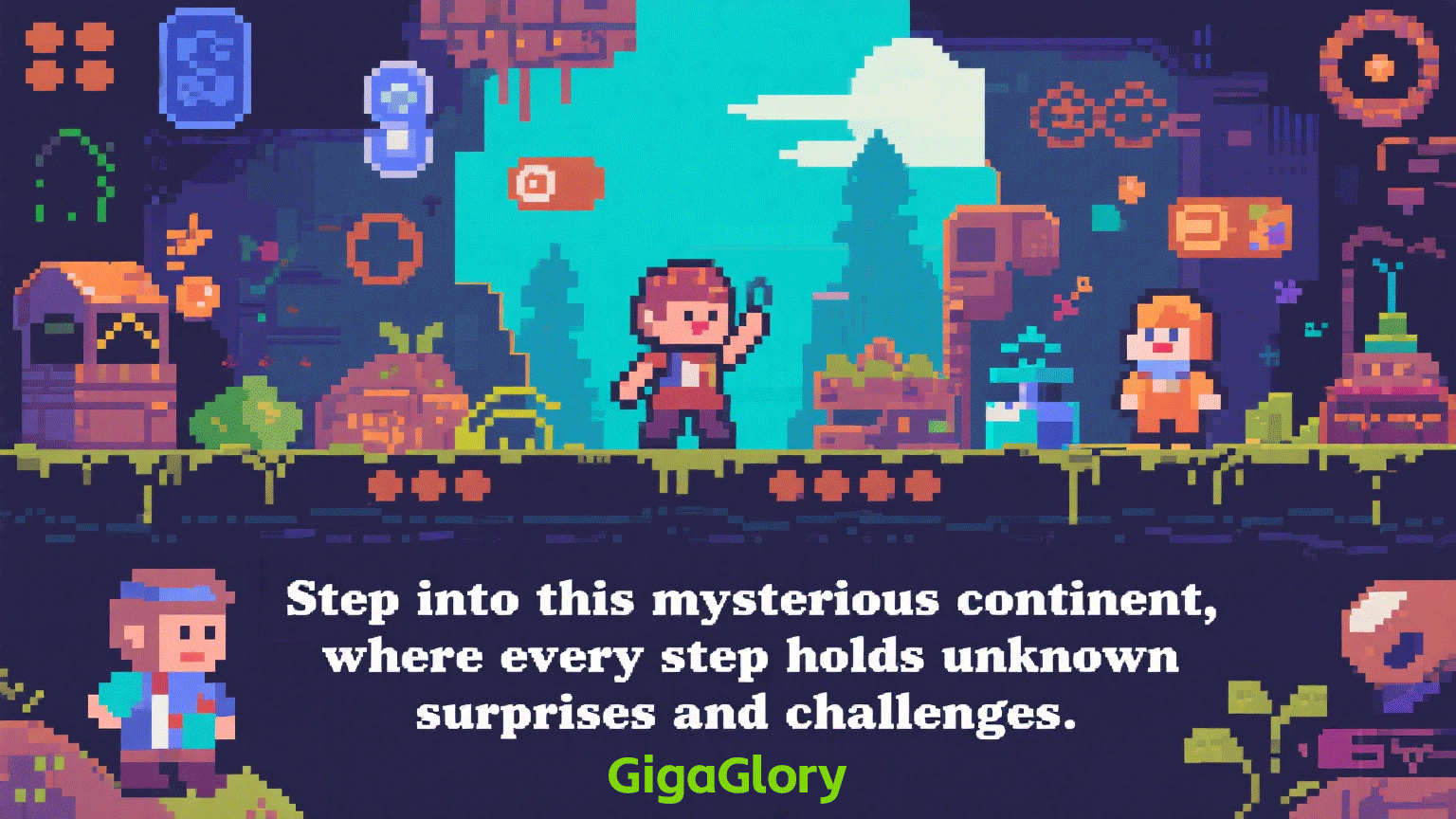
The indie gaming sector has exploded in the past decade. Developers are empowered by easy access to tools and platforms which were once reserved for major studios. Here are several reasons why indie multiplayer games are gaining traction:
- Creativity and Innovation: Indie developers often prioritize originality over profit, leading to the creation of unique gaming experiences.
- Community Engagement: Indie games often foster a collaborative atmosphere, allowing players to influence game features.
- Accessibility: Many indie multiplayer games are affordable or even free, making them accessible to a wider audience.
Engaging Gameplay Mechanics

Indie multiplayer games often adopt unconventional gameplay styles. This includes:
- Non-linear storylines that are shaped by player choices.
- More flexible multiplayer modes allowing for varied player interactions.
- Innovative mechanics, such as blending RPG elements with traditional genres.
Building Communities: More Than Just a Game
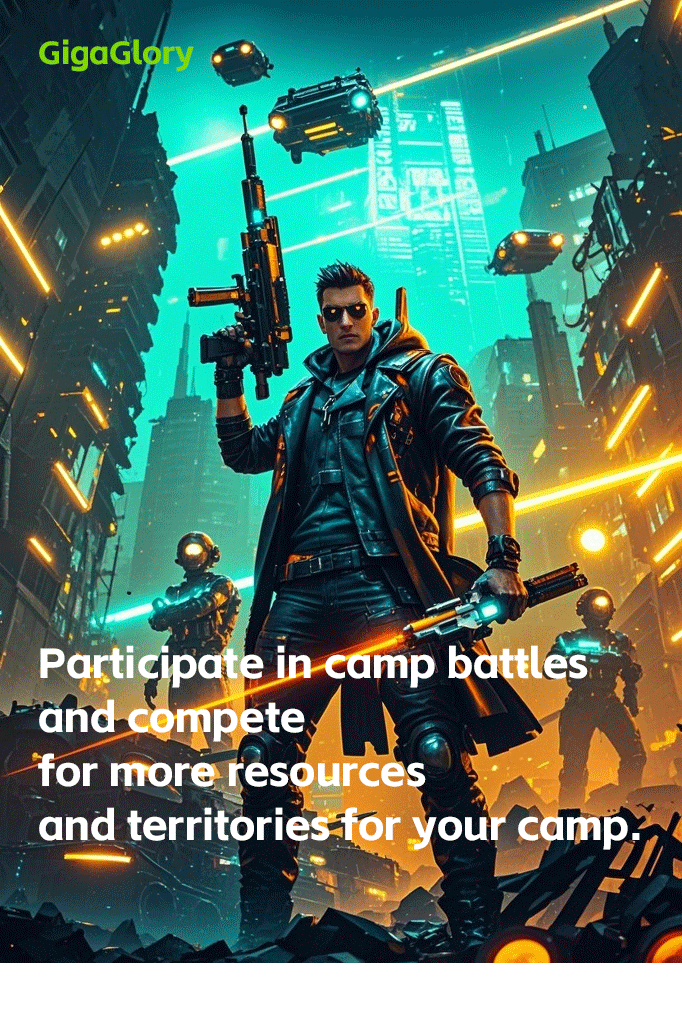
One of the significant shifts in multiplayer games is the focus on community building. Indie games are known for their strong community ties. These games often feature:
- Player Collaboration: Many indie games allow players to collaborate on quests and achievements.
- Active Developers: Developers are often in direct contact with their player base, influencing game updates based on community feedback.
- Inclusive Environments: Many indie games promote inclusiveness, celebrating diversity among players.
Contrasting with Big Players: Indie Games vs. Major Studios
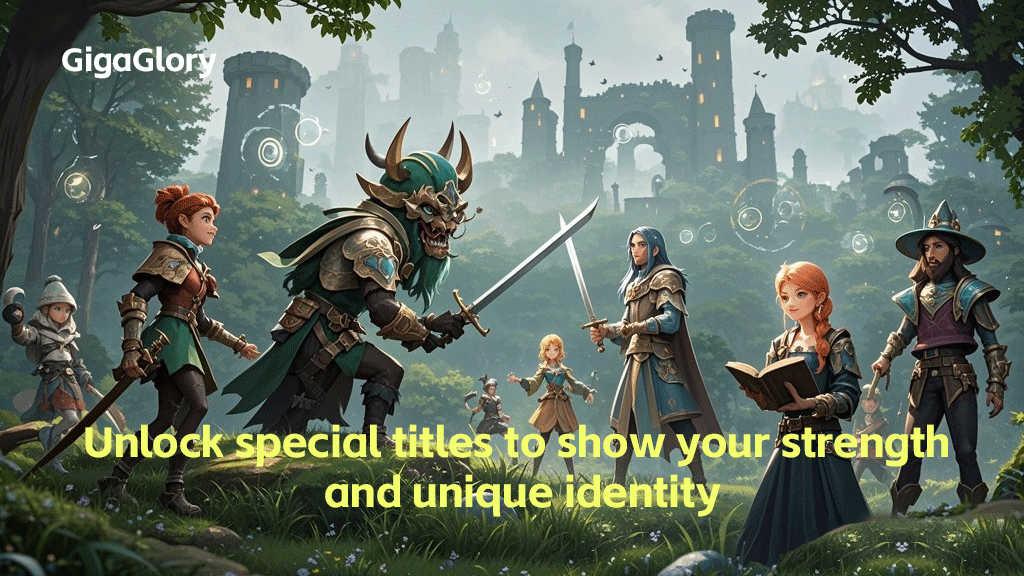
While games like Clash of Clans have dominated the market, indie multiplayer games offer a refreshing alternative. Key differences include:
| Aspect | Indie Games | Major Studio Games |
|---|---|---|
| Innovation | High; developers experiment with new ideas. | Lower; often rely on existing franchises. |
| Community | Close-knit and engaged. | Broader but often less personal. |
| Accessibility | Usually lower-priced or free. | Typically premium-priced. |
The Emotional Connection in Indie Games
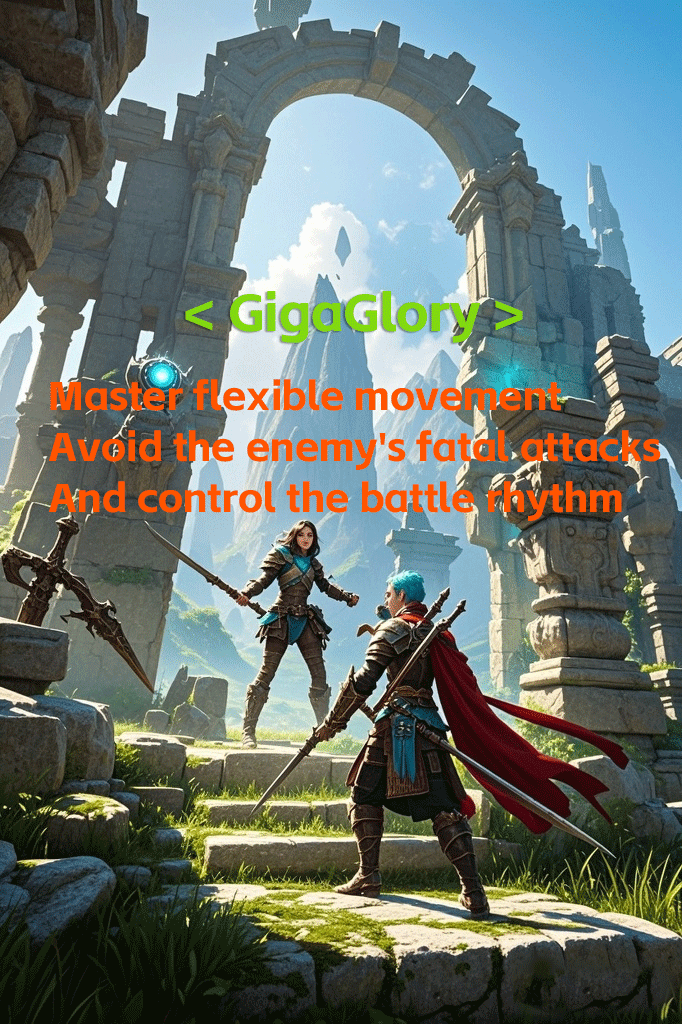
Indie multiplayer games often prioritize storytelling, allowing for deep emotional connections. This personal touch is what differentiates them from mainstream titles. Players often find themselves invested in the characters and narratives, making the gameplay experience memorable. Many indie games explore complex themes, such as loss and hope, which resonate deeply with players.
Popular Indie Multiplayer Titles to Explore
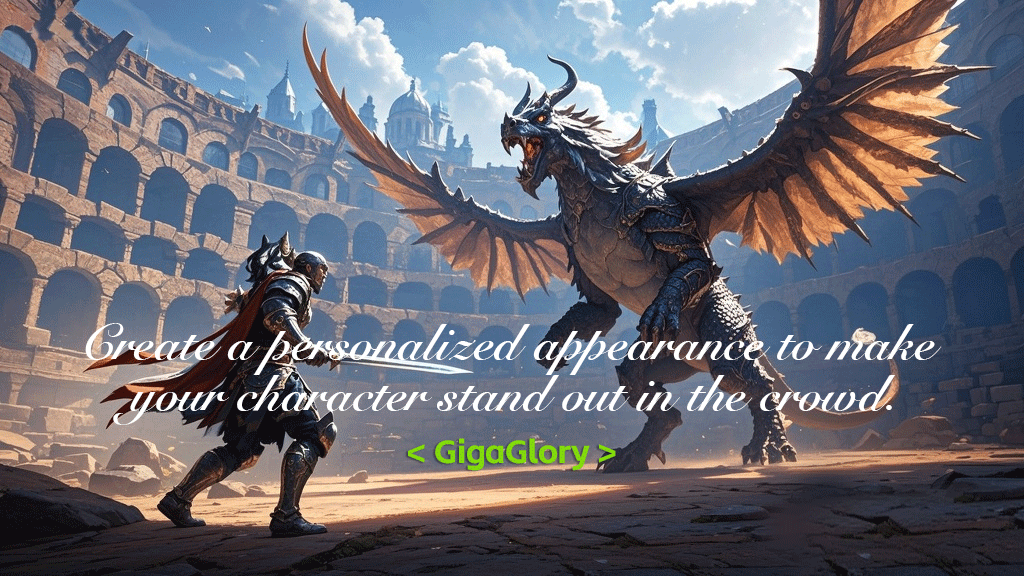
When discussing indie multiplayer games, several titles stand out due to their innovative mechanics and community-driven narratives:
- Among Us: A social deduction game where players work together to complete tasks while trying to identify impostors.
- Stardew Valley: A farming simulation game that encourages players to cooperate and develop their farms together.
- Jackbox Party Pack: A series of party games that requires players to use their mobile devices to interact.
How Indie Games are Influencing Game Development
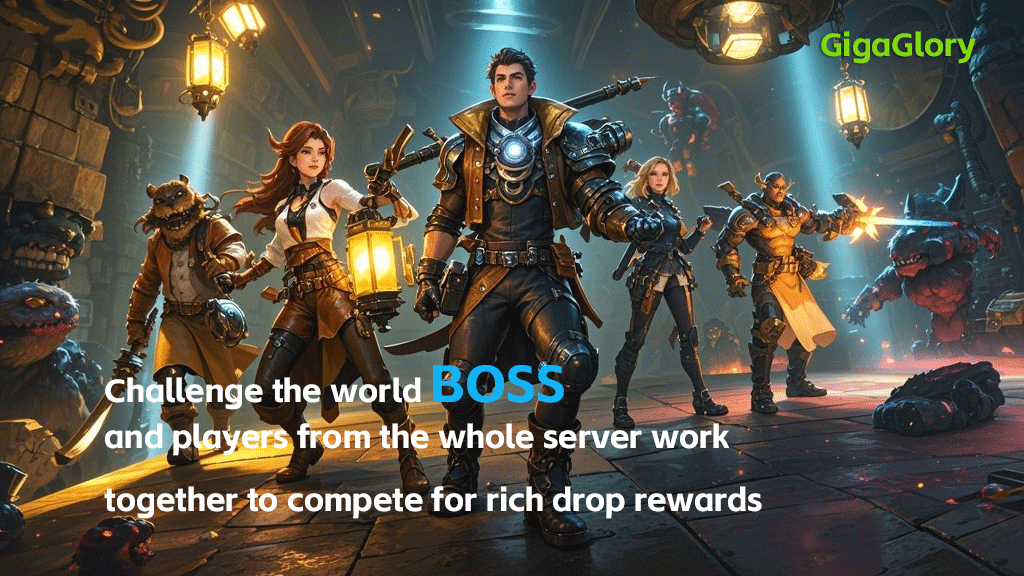
Indie games have set the bar high when it comes to creative storytelling and player interaction. Many major studios are taking notes from the indie sector, integrating similar concepts into their titles. This shift reflects a growing demand for diverse, well-rounded gaming experiences.
From Fans to Developers: A New Cycle of Creation

The relationship between players and developers has evolved significantly. Many indie developers are part of the very communities that consume their games. A common path for indie game creation involves:
- Players expressing dissatisfaction with existing games.
- Developers stepping in to fill gaps with innovative ideas.
- A community rallying around new titles, driving them to success.
Challenges Indie Multiplayer Games Face

While the indie gaming space is thriving, challenges still loom. Such challenges include:
- Funding: Many indie developers struggle with securing funds for large projects.
- Visibility: Standing out in an ocean of games often proves difficult.
- Quality Assurance: Limited resources can lead to quality inconsistencies.
The Role of Platforms in Indie Gaming Success
Platforms like Steam and itch.io have been crucial in promoting indie multiplayer games. These platforms offer exposure that small developers might not have otherwise. Additionally, user-generated content is prevalent here, further cultivating community engagement.
The Future of Indie Multiplayer Games
Looking ahead, the trend is likely to grow. The indie scene's flexibility enables it to adapt to emerging technologies and player demands, while big players are often constrained by their business models.
Conclusion: A New Era of Gaming
In conclusion, indie multiplayer games are more than just a trend; they are redefining the way we think about online gaming. With unique storytelling, player engagement, and community involvement, these games stand out in a crowded market. They challenge major studios to innovate and respond to gamer demands, ultimately leading to a richer gaming experience for all.
FAQ
Q: What defines an indie multiplayer game?
A: Indie multiplayer games are usually developed by small teams or individuals, emphasizing creativity, unique mechanics, and community engagement.

Q: Why are indie multiplayer games gaining popularity?
A: Players are looking for fresh experiences and emotional connections, which indie games often provide.

Q: How can I support indie multiplayer games?
A: You can support them by purchasing games, providing feedback, and engaging with the community.